
AskHandle Blog
What is a VPN, How Does It Work, and Why Might You Need It?
- VPN
- Censorship
- Network
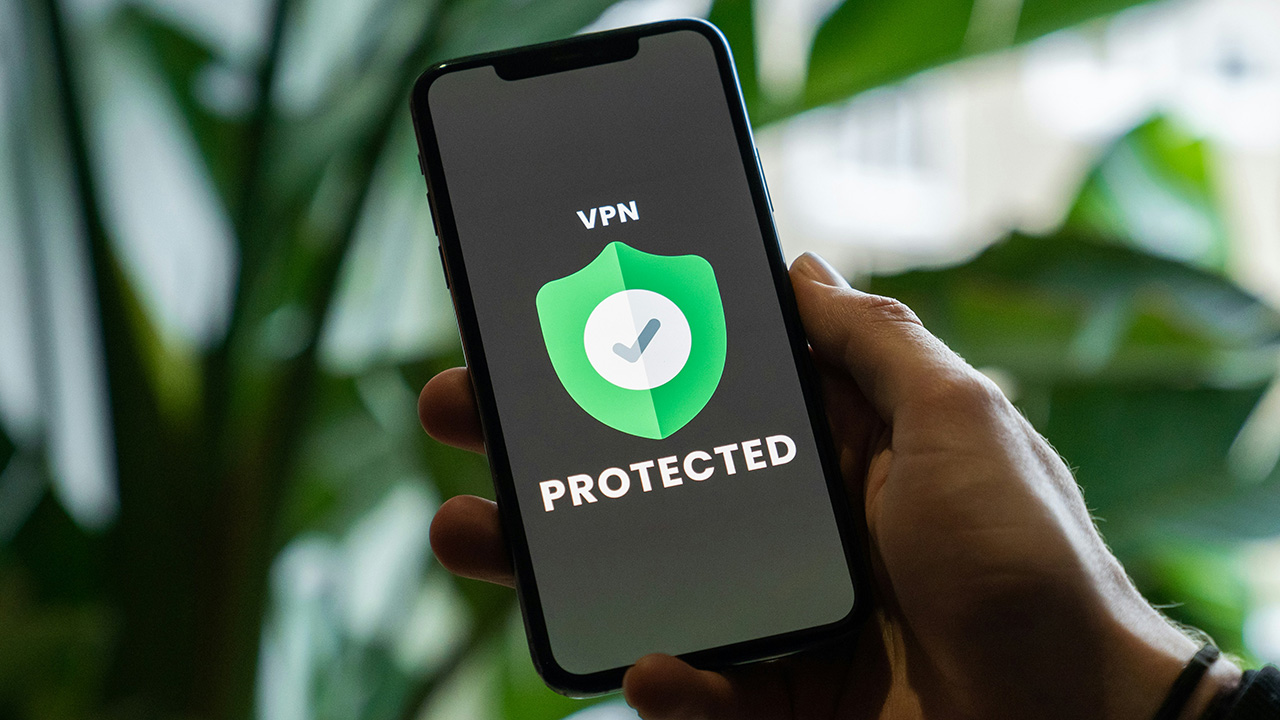
What is a VPN, How Does It Work, and Why Might You Need It?
In today’s interconnected world, online privacy and security have become more critical than ever. Many internet users have started to explore ways to protect their digital footprints. One popular tool for enhancing privacy is the Virtual Private Network, commonly known as a VPN. This article provides a straightforward explanation of what a VPN is, how it functions, and why you might consider using one.
What Is a VPN?
A VPN is a service that creates a secure connection between your device and the internet. Instead of connecting directly to websites or online services, your device connects to the VPN server, which then acts as an intermediary. This process effectively encrypts the data you send and receive, making it much harder for third parties to see what you are doing online.
The primary purpose of a VPN is to maintain privacy and security. It's often used in scenarios where users want to prevent their internet activity from being monitored or intercepted. While many associate VPNs with bypassing geo-restrictions or accessing content unavailable in certain regions, their core function remains to establish a safe and private browsing environment.
How Does a VPN Work?
Understanding the operation of a VPN involves grasping some basic technical processes, especially encryption and tunneling.
The Connection and Encryption
When you launch a VPN, your device sends a request to connect to the VPN server. Before any data is transmitted, the VPN software encrypts the information using complex algorithms. This encryption converts your data into a form that is unreadable to anyone who intercepts it—be it hackers, government agencies, or even your internet service provider (ISP).
Once encrypted, your data travels through a secure 'tunnel' established between your device and the VPN server. This tunnel shields your information from prying eyes as it moves across the network.
Changing Your Virtual Location
One of the notable features of VPNs is their ability to mask your real IP address—the unique identifier assigned to your device on the internet. Instead of revealing your actual IP, the VPN server's IP is shown to websites and online services. This results in your apparent location being based on the server's location rather than your actual one, which can be useful for accessing region-specific content.
Accessing the Internet Securely
After reaching the VPN server, your data is decrypted, then sent to its final destination—such as a website or a cloud service. The response from the website follows the same pathway but in reverse: it is encrypted again by the VPN, travels back to your device through the secure tunnel, and is decrypted locally, allowing you to view the content securely.
Why Might You Need a VPN?
The reasons for using a VPN vary depending on personal and professional needs. Here are some common motivations.
Protecting Privacy on Public Networks
Public Wi-Fi hotspots are notoriously insecure. Hackers often exploit these networks to snoop on unprotected data. A VPN encrypts your connection, making it much harder for malicious actors to access sensitive information such as passwords, banking details, or personal emails.
Bypassing Geo-Restrictions
Many streaming platforms and websites restrict access based on geographic location. A VPN allows you to connect via servers in different countries, giving you access to content or services that might otherwise be unavailable in your region.
Avoiding Censorship and Surveillance
In some countries, internet censorship is prevalent. A VPN can help users bypass these restrictions and enjoy uncensored access to the web. Additionally, VPNs can prevent governments, ISPs, or advertisers from tracking your online activity, providing an additional layer of privacy.
Secure Remote Work
Remote workers often need to access their company's internal network while outside the office. VPNs create a secure link to corporate resources, ensuring sensitive data is not exposed during transmission.
A VPN is a versatile tool offering enhanced privacy, security, and access to information across the internet. By encrypting data and masking your location, it provides a safer online experience, whether you're browsing at a coffee shop, traveling abroad, or working remotely. While not a complete safeguard against all online threats, incorporating a VPN into your digital routine can markedly improve your online privacy and security.