
AskHandle Blog
What Is Green Energy?
- Green Energy
- Solar
- Wind
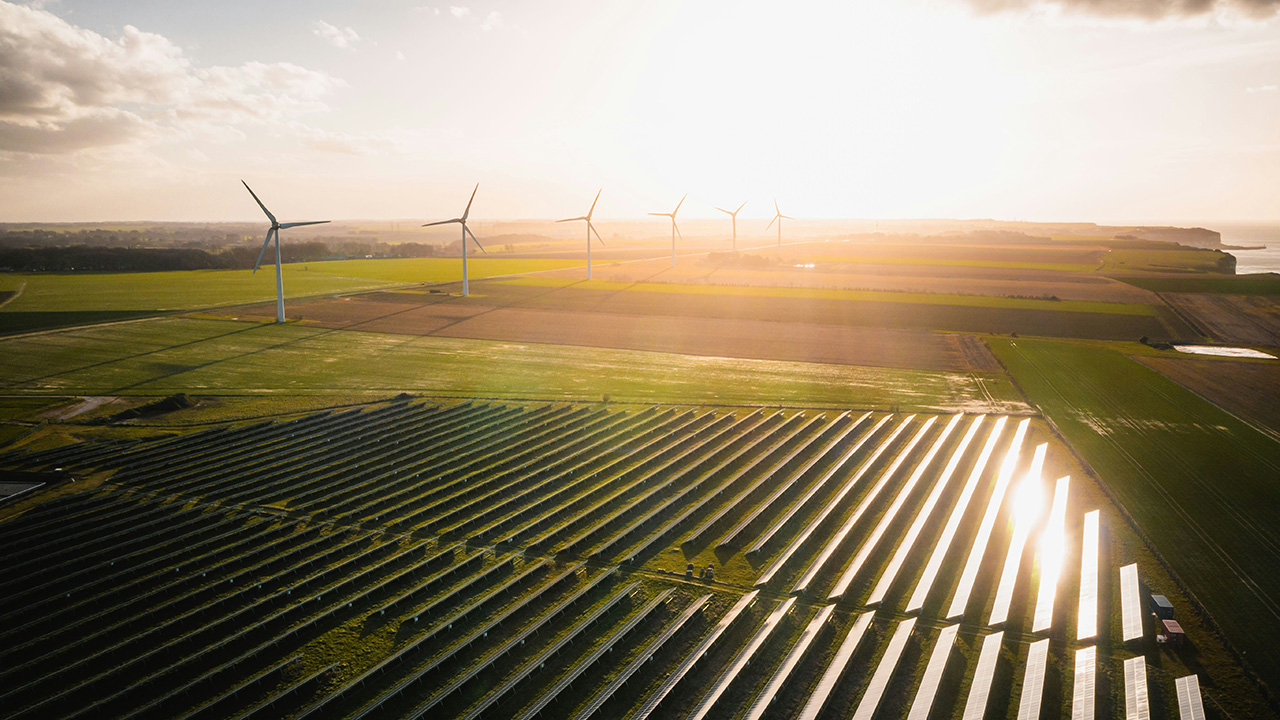
What Is Green Energy?
Green energy refers to power generated from natural sources that replenish themselves and produce little to no harmful emissions, offering a cleaner alternative to fossil fuels while supporting long-term environmental sustainability.
What Is Considered Green Energy?
Green energy comes from resources that are naturally replenished and cause minimal environmental damage during electricity production. These sources typically produce very low greenhouse gas emissions compared to coal, oil, and natural gas.
To qualify as green energy, a source generally meets these criteria:
- It relies on renewable natural processes.
- It produces little or no direct carbon emissions.
- It has limited negative environmental impact when properly managed.
- It can be sustained over the long term.
Green energy is often grouped under renewable energy, though the two terms are not always identical. Renewable energy refers to resources that replenish naturally, while green energy focuses more specifically on environmental impact.
Solar Energy
Solar energy is one of the most recognized forms of green energy. It captures sunlight and converts it into electricity using photovoltaic panels or solar thermal systems.
Photovoltaic panels generate electricity when sunlight hits semiconductor materials. Solar thermal systems use sunlight to heat water or air for homes and industrial use.
Solar energy offers several benefits:
- No emissions during operation
- Widely available resource
- Low maintenance once installed
- Suitable for homes, businesses, and utility-scale plants
Although solar panel production requires raw materials and manufacturing energy, the long-term environmental benefits generally outweigh the initial impact.
Wind Energy
Wind energy generates electricity through wind turbines. As wind moves the turbine blades, mechanical energy is converted into electrical energy.
Wind power is considered green because:
- It produces zero emissions during electricity generation
- It uses an unlimited natural resource
- It requires relatively small amounts of water
Wind farms can be built on land or offshore. Offshore installations often generate stronger and more consistent electricity due to higher wind speeds.
Environmental concerns include visual impact and potential effects on wildlife, but improved turbine design continues to reduce these challenges.
Hydropower
Hydropower generates electricity using flowing water. Large dams, small hydro systems, tidal energy, and wave power all fall under this category.
Water turns turbines connected to generators, producing electricity without burning fuel.
Hydropower benefits include:
- Reliable and stable output
- Low operational emissions
- Long facility lifespan
Large dams can disrupt ecosystems and aquatic life, so careful environmental planning is necessary. Smaller hydro systems typically have less ecological impact.
Geothermal Energy
Geothermal energy uses heat from beneath the Earth’s surface. In geothermal plants, underground steam or hot water drives turbines that generate electricity.
Geothermal systems can also provide direct heating for buildings.
Key advantages include:
- Consistent energy production
- Minimal emissions
- Small surface footprint
This type of energy works best in regions with high geothermal activity, such as areas near tectonic plate boundaries.
Biomass Energy
Biomass energy comes from organic materials like wood, crop waste, and animal manure. These materials are burned or processed to produce heat and electricity.
Common biomass sources include:
- Wood pellets
- Agricultural residues
- Biogas from landfills
- Energy crops
Biomass is considered green when harvested sustainably. If forests are replanted and agricultural waste is reused responsibly, carbon emissions released during combustion can be offset by new plant growth.
Improper management can reduce its environmental benefits, so sustainability practices are critical.
Green Hydrogen
Green hydrogen is produced by splitting water into hydrogen and oxygen using renewable electricity. This process, called electrolysis, generates hydrogen fuel without carbon emissions.
Hydrogen can then be used for:
- Industrial processes
- Heavy transportation
- Energy storage
Green hydrogen is gaining attention as a solution for sectors that are difficult to electrify directly.
Energy Sources That Are Not Green
Fossil fuels such as coal, oil, and natural gas are not considered green energy because they release significant carbon dioxide and pollutants when burned.
Nuclear energy is sometimes debated. While it produces low carbon emissions during operation, concerns about radioactive waste and long-term disposal prevent it from being universally classified as green energy.
The classification often depends on environmental impact, sustainability, and long-term ecological consequences.
Why Green Energy Matters
Green energy reduces greenhouse gas emissions, which helps slow climate change. Lower emissions also improve air quality and public health.
Additional benefits include:
- Reduced dependence on imported fuels
- More stable long-term energy costs
- Job creation in renewable industries
- Improved energy security
As technology advances, renewable systems become more efficient and affordable, increasing adoption across residential, commercial, and industrial sectors.
Environmental Considerations
Green energy sources are cleaner than fossil fuels but still require responsible planning. Solar panels require minerals and manufacturing energy. Wind turbines use metals and land space. Hydropower projects may alter ecosystems.
Technological improvements and recycling programs continue to reduce environmental impact. Responsible development ensures that green energy remains sustainable over time.
Green energy includes solar, wind, hydropower, geothermal, biomass, and green hydrogen. These sources rely on renewable natural processes and produce significantly fewer emissions than fossil fuels. Each plays a role in building a cleaner and more sustainable energy system while reducing environmental harm and supporting long-term energy stability.