
AskHandle Blog
How FPV Drones Are Transforming Olympics Broadcasting
- FPV Drones
- Olympics
- Broadcasting
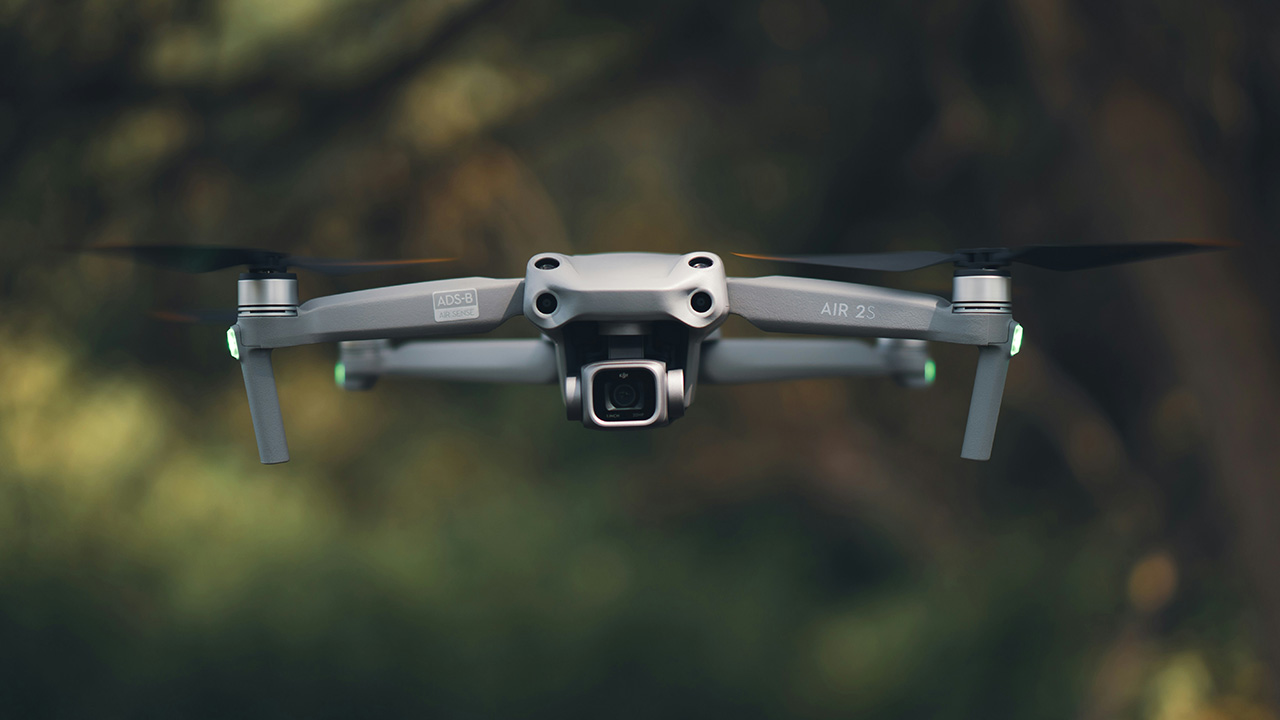
How FPV Drones Are Transforming Olympics Broadcasting
The 2026 Winter Olympics in Milan Cortina has delivered a technological leap that's transforming how millions experience winter sports. First-person view (FPV) drones are capturing breathtaking footage that puts viewers right in the action—racing down mountainsides at 130 km/h, soaring alongside snowboarders launching off massive jumps, and diving through the twisting corridors of luge tracks.
An Unprecedented Deployment
Olympic Broadcasting Services (OBS) has deployed 25 FPV drones across these Games—the largest drone fleet ever used at a Winter Olympics. Combined with 10 additional drones for scenic shots, these flying cameras are part of a massive 810-camera operation spanning venues throughout northern Italy. This represents a dramatic evolution since drones first appeared at the 2014 Sochi Games.
"What we've got now is a new generation of technology that really allows for a safe use of drones very close to the action," said Yiannis Exarchos, CEO of Olympic Broadcasting Services. "In many of the sports you will be seeing images that we have not seen before in how these sports are covered."
Inside the Technology
Each FPV drone operates with a dedicated three-person team consisting of a pilot, director, and technician who work in perfect synchronization via dedicated communication channels. This coordination is essential for managing flight paths, timing, and technical adjustments while keeping athletes safe and the broadcast quality pristine.
For the first time at a Winter Games, FPV drones are capturing sliding sports from within the track itself, hovering alongside luge and skeleton competitors to showcase the raw speed and intensity of these events. The drones have also been spotted tracking downhill skiers at speeds exceeding 120 km/h, following speed skaters around indoor tracks, and flying in tandem with Big Air competitors at Livigno Snow Park.
The Viewer Response
Social media has exploded with reactions to the unprecedented angles. Fans have praised how the trailing drones finally convey the true speed of skiing and luge events—something that's nearly impossible to appreciate from traditional fixed cameras.
However, the technology comes with an audible trade-off. The distinctive high-pitched buzz of FPV drones has drawn complaints from some viewers who find the mechanical whine intrusive during what should be serene outdoor events. Broadcast microphones frequently pick up the drone hum, leading to discussions about whether better audio filtering might be possible in future broadcasts.
Despite these minor grumbles, organizers have dismissed concerns about the noise, emphasizing that the drones enhance the viewer experience without interfering with athletes' performances. The IOC's sports director Pierre Ducrey framed it as meeting modern expectations: "The expectation of everyone today is to have this kind of experience when you consume a sports event—even more so for the Olympic Games".
Beyond the Drones
The FPV drones are just one element of OBS's ambitious technical setup. The 2026 Games also feature 140 robotic cameras in difficult positions, 251 mini POV cameras (including live cameras mounted inside athletes' goggles for ski cross and snowboard cross), 15 railcam systems, 12 cablecam systems, and 50 jibs and cranes.
Additionally, this year marks the first-time introduction of 360-degree real-time replays developed in collaboration with Alibaba, combining multi-camera systems with stroboscopic analysis to deliver freeze frames and slow-motion sequences from every angle.
The Verdict
The consensus among viewers appears clear: the stunning footage is worth the buzzing soundtrack. These FPV drones are giving audiences an immersive experience that captures the speed, skill, and sheer steepness of winter sports in ways that traditional broadcasting never could.
As technology continues to evolve, the Milan Cortina Games may be remembered not just for athletic achievements, but for fundamentally changing how we watch the Olympics. The future of sports broadcasting is here—and it flies.