

The Rise of Robotaxi: The Future of Transportation?
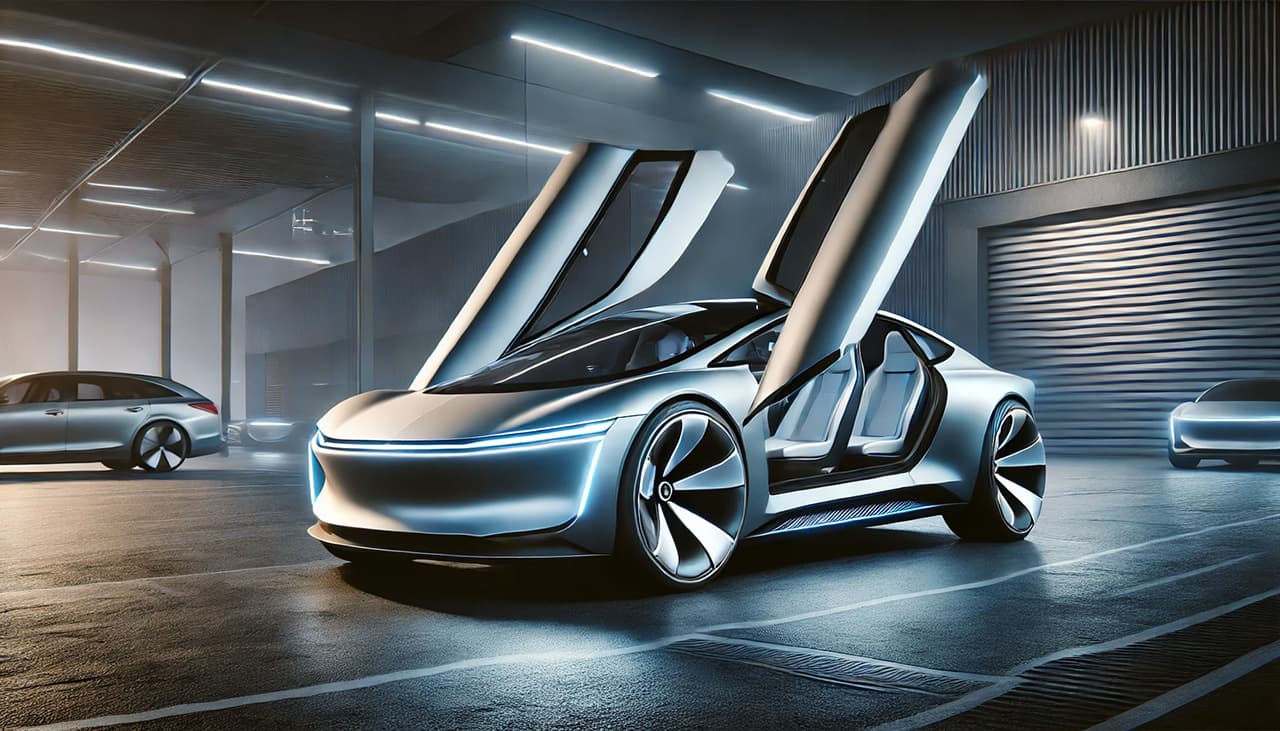
Tesla's recent launch of its Cybercab has drawn attention to the growing trend of autonomous vehicles. Purpose-built for self-driving, the Cybercab is designed without traditional controls like a steering wheel or pedals and aims to be affordable, with a price target under \$30,000. Tesla envisions owners using their Cybercabs as ride-sharing vehicles, offering a new model of car ownership and transport. Tesla’s rivals, Waymo and Cruise, are also advancing in the robotaxi space, competing to bring fully autonomous taxis to urban areas.
Tesla's Cybercab: A Bold Step Forward
The Cybercab is more than just a futuristic vehicle—it’s a strategic move by Tesla to redefine urban mobility. With no steering wheel or pedals, this compact vehicle seats two passengers and is designed for fully autonomous operation. Musk’s ambitious plan includes enabling owners to profit by allowing their Cybercabs to serve as ride-sharing vehicles when not in use.
Tesla's FSD technology, which relies on AI and cameras rather than traditional sensor systems, remains a critical aspect of its approach. While the technology promises innovation, it has faced scrutiny due to safety concerns. Tesla's ability to meet its timeline for production, expected by 2026, remains uncertain.
Competition Heats Up: Waymo and Cruise
Waymo, owned by Alphabet, has already deployed driverless taxis in cities like Phoenix and San Francisco. Using a blend of sensors, Waymo’s vehicles have logged millions of miles with minimal human intervention, demonstrating its lead in autonomous technology. Cruise, owned by General Motors, is another major player in the robotaxi space. Despite setbacks involving safety drivers, Cruise continues to refine its technology and is pushing for wider deployment.
Why Robotaxi Is the Next Big Thing
Robotaxis offer numerous benefits, including reduced traffic congestion, lower emissions, and more affordable transportation. By eliminating the cost of a human driver, these autonomous vehicles could make ride-hailing services cheaper and more accessible. Tesla’s vision of Cybercab owners using their vehicles as income-generating assets could also disrupt traditional car ownership models.
In urban areas, robotaxis could reduce the number of privately owned vehicles on the road, leading to less pollution and more efficient transportation systems. The integration of robotaxis into a broader sharing economy could transform city living and mobility in the coming years.
The Impact on Taxi Drivers
The rise of robotaxis presents a clear challenge to traditional taxi drivers. Autonomous vehicles can operate without the need for wages or breaks, creating a competitive disadvantage for human drivers. Ride-hailing services, which have already disrupted the taxi industry, could become even more efficient and affordable with robotaxis, potentially reducing the demand for human-driven taxis.
For many drivers, the introduction of robotaxis could mean fewer job opportunities and lower wages as automated alternatives become more prevalent. This shift could force many to seek new employment options as the transportation industry evolves.
Challenges Ahead for Robotaxis
Despite the excitement, robotaxis face significant challenges, particularly in terms of safety and regulatory approval. Tesla, Waymo, and Cruise must all prove their technology can operate reliably in real-world conditions. Public trust is also a major hurdle, with many still skeptical about the safety and reliability of fully autonomous vehicles. As competition in the autonomous vehicle market intensifies, the future of mobility is set for a dramatic shift.