
AskHandle Blog
What Are the Unique Advantages of Human Writing?
- Writing
- Trust
- AI
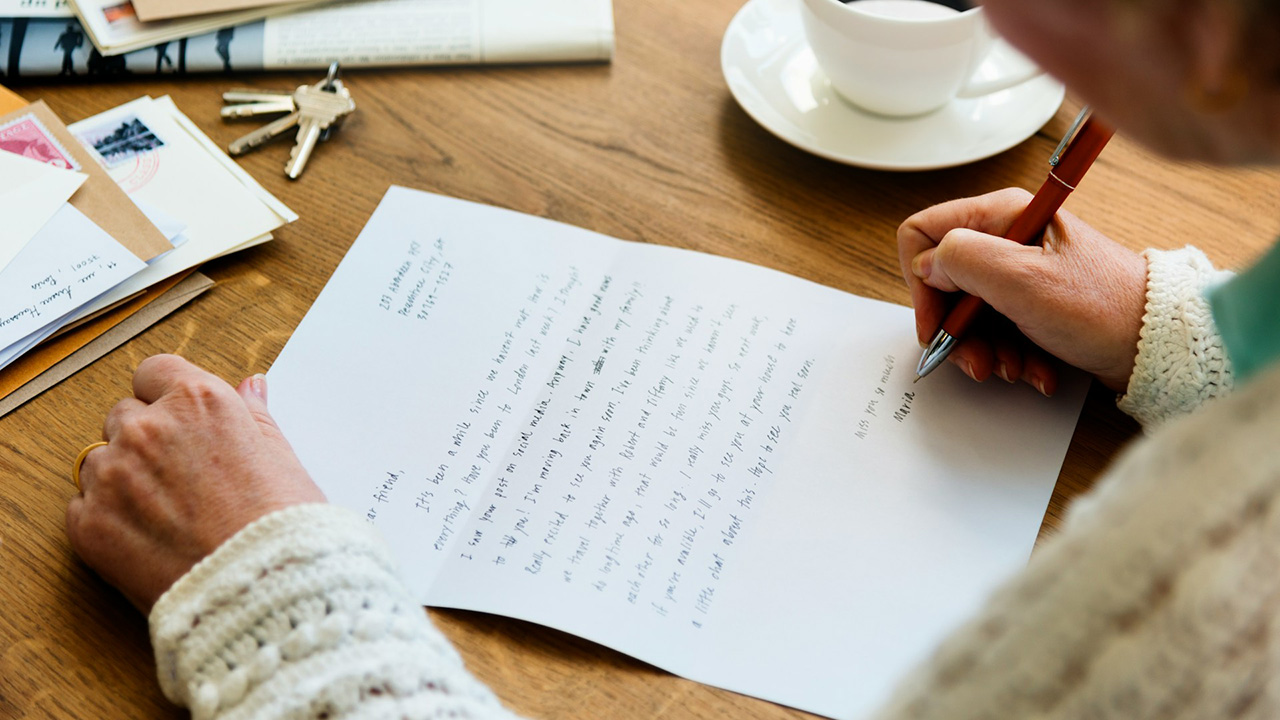
What Are the Unique Advantages of Human Writing?
Human writing has a quality that readers notice right away, even if they cannot name it in the moment. It can feel warm, direct, reflective, surprising, and alive all at once. A person writing from lived experience brings more than correct grammar and neat sentences. They bring judgment, memory, humor, doubt, taste, and a point of view shaped by real life. That mix gives human writing a special value that machine-made text still struggles to match.
Human Writing Carries Real Experience
One major strength of human writing is that it comes from a person who has actually lived through something. A travel essay can include the smell of rain on a train platform, the awkward silence in a family kitchen, or the small relief of hearing a familiar voice far from home. Those details are not just decoration. They come from observation, feeling, and memory.
Readers respond to that kind of writing because it feels grounded. They sense that the writer has been in the room, stood in the line, missed the bus, felt the regret, or celebrated the win. Real experience gives writing weight. It turns a plain topic into a story with texture.
Human Writers Make Choices with Taste
Writing is not only about putting correct words on a page. It is also about choosing which details matter most, which rhythm fits the moment, and which tone will reach the reader best. Human writers make those choices with taste.
Taste is hard to define, yet readers feel it when it is present. A strong sentence can be short and sharp. Another can stretch out and carry a mood. A skilled human writer knows when to cut, when to linger, and when to leave space for the reader to think. These decisions come from years of reading, listening, and editing one’s own work.
Machines can imitate style, but human writers often know why a style should shift in the first place. They sense the moment when a joke would weaken the point, or when a plain line would be stronger than a polished one.
Human Writing Holds Mixed Feelings Well
People rarely feel just one thing at a time. We can be proud and nervous, grateful and annoyed, hopeful and tired. Human writing is especially good at holding those mixed feelings without flattening them into a simple message.
That matters because real life is rarely tidy. A person writing about a job loss may also write about relief, fear, and a strange burst of freedom. A parent writing about a child leaving for college may feel joy and grief in the same breath. Human writing can contain those tensions and let them stand side by side.
Readers trust that kind of honesty. It feels closer to how life actually works. Clean answers can be useful, but layered writing often stays with us longer.
Human Language Builds Trust and Connection
People often read not only for facts, but for connection. Human writing can create that connection through voice. A writer can sound calm, skeptical, generous, witty, or blunt. That voice becomes a signal to the reader: you are in the hands of a real person who has thought about this and chosen these words.
This matters in essays, memoirs, opinion pieces, letters, lesson plans, and brand messages. A human voice can make a reader feel seen. It can also build trust when the topic is serious. When a writer admits doubt, names limits, or speaks plainly, the result often feels more honest than glossy language.
Connection also comes from subtle cues. A careful turn of phrase, a specific example, or a line that sounds slightly imperfect can make the whole piece feel more sincere. Those small marks of humanity can be more persuasive than perfection.
How to Write More Like a Human
If you want your writing to feel more human, start with concrete experience. Use details that a real person would notice: the sound of a door closing, the stain on a notebook, the pause before a reply. Abstract ideas matter, but concrete moments give them shape.
Next, write the way people actually speak, while still keeping the page clear. Short sentences can add force. Longer ones can carry reflection. Mix them with care. Read your draft out loud and listen for lines that sound stiff or unnatural.
Use your own point of view. Do not hide behind vague statements. Say what you think and why you think it. A clear opinion, even a modest one, often feels more human than a safe summary.
Leave room for uncertainty when it belongs. Real people do not know everything. A sentence that admits a limit can be stronger than one that pretends certainty. Readers often respect honesty more than polish.
Finally, revise with attention to voice. Cut the lines that sound generic. Keep the words that feel specific, fresh, and personal. Human writing often lives in those choices.
Why Human Writing Still Matters
Even in a world full of automated text, human writing keeps its value because it does something deeper than deliver information. It helps people make sense of their lives. It can comfort, challenge, persuade, amuse, and remember. It can turn ordinary events into meaning.
Human writing also preserves personality. A letter from a friend, a thoughtful essay, a sharp review, or a moving story all carry signs of the mind behind them. Readers do not just consume the message. They meet the writer.
That meeting is the real advantage. Human writing is not simply correct text. It is thought shaped by life, then shared with another person.
The unique strength of human writing lies in its blend of experience, judgment, voice, and feeling. It can be plain or lyrical, direct or reflective, but it is always shaped by a person who has seen, felt, and chosen. That human presence gives writing depth that readers notice and remember. When words come from lived reality, they do more than inform. They connect.