
AskHandle Blog
How Wake-Up Words Work on an AI Speaker
- Wake-Up Words
- Speaker
- AI
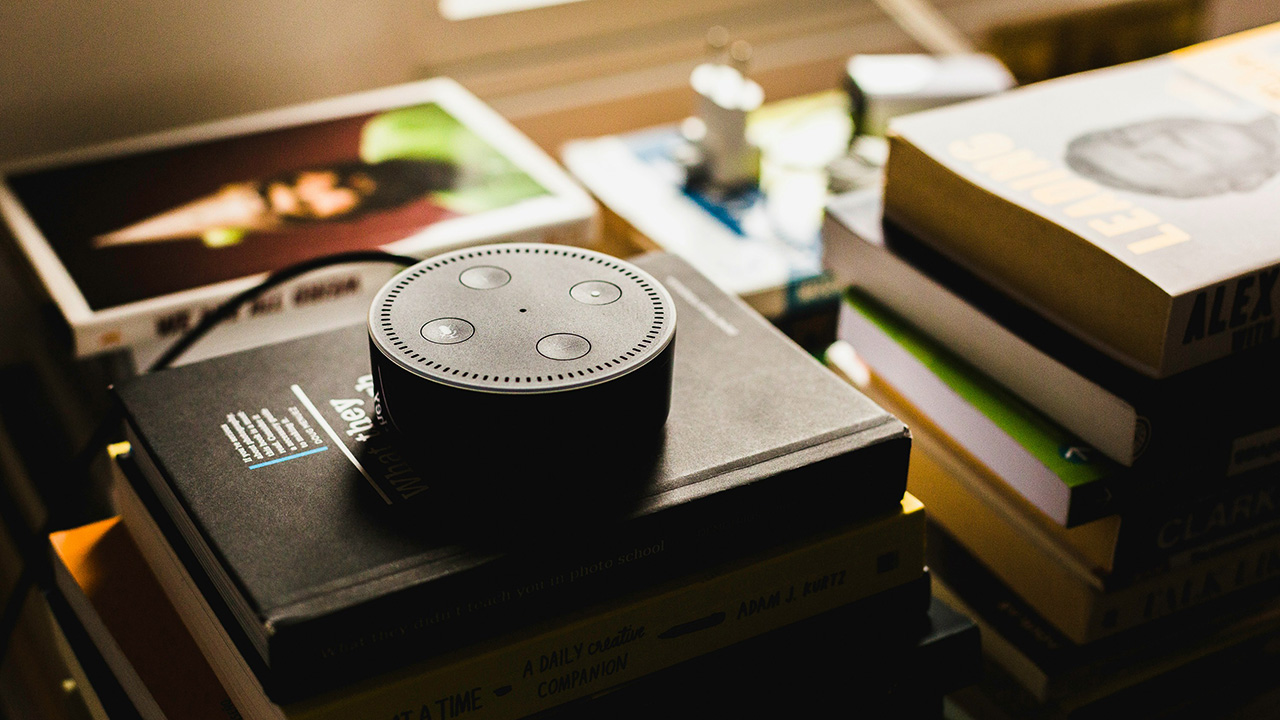
How Wake-Up Words Work on an AI Speaker
During the holiday season, many families unwrap a smart speaker for the first time—often placing it in the kitchen or living room alongside decorations, music, and gatherings. Almost immediately, one question comes up around the table: “Is this thing always listening?” Understanding how wake-up words work can help answer that question and put new users at ease.
Is an AI Speaker Constantly Listening?
In a technical sense, yes—but not in the way people usually worry about.
An AI speaker’s microphone is always on so it can hear when it is being addressed. However, most of the time the device is in a passive listening mode. It is not recording conversations, understanding speech, or sending audio anywhere. Instead, it is simply waiting for a specific cue: the wake-up word.
This design allows the speaker to stay ready without actively monitoring everything happening in the room.
Does the Speaker Use the Internet to Hear the Wake-Up Word?
No. Wake-up words are processed directly on the speaker itself.
Inside every AI speaker is a small, efficient machine-learning model that runs locally on the device. This model listens only for the unique sound pattern of the wake-up word, such as “Hey Alexa” or “OK Google.”
At this stage:
- Audio stays on the device
- Nothing is recorded or stored
- Speech is not transcribed
- The internet is not used
The system does not understand meaning or context—it simply decides whether the wake-up word was spoken. This local processing is crucial for privacy, speed, and low power consumption.
How the Speaker Is Always Ready—Even During Busy Holidays
Holiday homes are noisy: music playing, conversations overlapping, children laughing, and TVs running in the background. Wake-up word systems are trained to handle this.
The local wake-word model:
- Filters out most background noise
- Analyzes sound patterns rather than full sentences
- Uses confidence thresholds to avoid accidental activation
Only when the system is confident it heard its name does it move to the next stage.
What Happens After the Wake-Up Word?
Once the wake-up word is detected, the behavior of the speaker changes:
- The device switches to active listening
- Audio after the wake-up word begins recording
- That audio is sent securely over the internet
- Cloud-based AI interprets the request
- A response is generated and spoken back
This is the moment when the speaker actually “understands” a question like asking for holiday music, a cooking timer, or the weather for travel plans.
Why the Speaker Sometimes Wakes Up by Accident
Occasionally, a word or sound during a lively holiday gathering may resemble the wake-up word closely enough to trigger the device. These false activations are a known limitation, but modern systems reduce them by constantly improving their detection models.
Visual cues—like a light ring turning on—make it clear when the speaker has activated.
Designed With Privacy in Mind
To reassure new users, especially those setting up a device during the holidays:
- Conversations before the wake-up word are not uploaded
- Only audio after activation is processed
- Users can review or delete recordings
- Physical microphone mute buttons fully disable listening
These features exist to ensure users remain in control, even in shared family spaces.
In Simple Terms
Think of an AI speaker like a polite holiday guest:
- Always present in the room
- Quietly waiting to be addressed
- Only joins the conversation when called by name
The speaker processes wake-up words locally on the device. The internet is used only after you intentionally invite it to listen. This design keeps smart speakers responsive, efficient, and respectful—making them easier to welcome into the home during the holiday season.